Packaging design is the first handshake your customer feels before they taste the sweet surprise inside. When you’re working with limited edition chocolate Visit website gift baskets, that handshake must be as memorable as the chocolate itself. This guide walks you through every step—from understanding your audience to choosing materials, adding branding flair, and ensuring smooth logistics—so you can create packaging that sells itself.
Know Your Audience and Purpose
Before you even pick a color palette, ask yourself: Who will receive these baskets, and why?
- Occasion: Wedding favors, corporate gifts, holiday presents, or a special anniversary? Demographics: Age, gender, income level, and cultural preferences shape design choices. Emotion: Are you aiming for luxury, whimsy, or nostalgia?
A quick survey or a few conversations with past customers can reveal patterns. For instance, a boutique chocolatier in San Francisco found that their clientele loved Chocolate boxes minimalist packaging that highlighted the chocolate’s origin story. Knowing this, they shifted from bold, saturated colors to muted earth tones that felt premium.
> “The first impression is the last impression.” – Unknown
This quote reminds us that packaging is not just a container; it’s a narrative that begins the moment the gift is seen.
Choosing the Right Materials
Material selection impacts cost, sustainability, and the perceived value of the basket. For limited edition chocolate gift baskets, the right material can elevate the product from ordinary to extraordinary.
What to Consider
- Durability: The packaging must protect fragile chocolate pieces during transit. Eco‑friendliness: Many consumers now prefer biodegradable or recyclable options. Aesthetic Appeal: The texture and finish should complement the chocolate’s allure.
Popular Material Options
- Recycled cardboard with a matte finish for a rustic, eco‑friendly vibe. Bamboo fiber boards that feel natural and sturdy. Custom‑printed kraft paper for a handcrafted look. Premium glass or crystal boxes for ultra‑luxury releases, though these add weight and cost.
When you choose a material, test it with a sample chocolate piece to ensure it doesn’t warp or stain. A small mishap in the prototype stage can save you from costly re‑runs later.
Design Elements That Make a Statement
Once the material is set, the design itself must capture attention and convey exclusivity.
Color Palette
- Gold and deep burgundy for a regal feel. Soft pastels for a playful, contemporary look. Monochrome with a pop of color to keep it sleek yet striking.
Typography
- Use serif fonts for a classic, timeless feel. Sans‑serif works well for modern, minimalist designs. Keep font sizes balanced: the brand name should be legible but not overpowering.
Imagery and Graphics
- Illustrations of cacao pods or the chocolate’s origin can add authenticity. Subtle patterns like lace or geometric shapes can hint at luxury. Avoid clutter; remember, less is often more when you’re aiming for an upscale vibe.
Finishing Touches
- Foil stamping or spot UV adds a tactile dimension that feels premium. Embossing can create a subtle 3‑D effect, making the packaging feel like a piece of art. A hand‑stamped wax seal can be a delightful surprise for recipients.
Branding and Limited Edition Flair
Your packaging should tell a story that resonates with the limited edition nature of the product. Think of it as a limited‑run film: every detail matters.
Incorporate a Unique Identifier
- Edition number (e.g., “Edition 12 of 50”) printed discreetly on the box. Custom QR code linking to a behind‑the‑scenes video or a special thank‑you note. Handwritten note inside the basket adds a personal touch.
Storytelling
Use the inside flap or a small insert to share the chocolate’s journey—from bean to bar. This not only educates but also deepens the emotional connection. A brief anecdote works wonders:
> “When I first tasted the single‑origin cacao from a small farm in Oaxaca, I knew this chocolate deserved a home that reflected its heritage.”
> — Founder, Sweet Roots Chocolates
Anecdotes humanize the brand and can turn a simple gift into a cherished memory.
Logistics and Production Tips
Even the best design can falter if the production process is chaotic. Here’s how to keep the workflow smooth.
Work with a Trusted Supplier
- Verify that the supplier can handle small batch runs without compromising quality. Ask for a prototype before committing to full production.
Quality Control
- Inspect every box for color consistency, printing accuracy, and structural integrity. Test the packaging with the actual chocolate pieces to ensure protection.
Shipping Considerations
- Use reinforced packaging for heavier baskets. Consider temperature‑controlled shipping if the chocolate is sensitive to heat. Include a care label with storage instructions to preserve freshness.
Sustainability Practices
- Offer a reusable basket option, encouraging customers to repurpose it. Provide a return program for packaging materials, reinforcing eco‑responsibility.
Final Touches and Presentation
The last few steps can transform a good packaging design into a memorable experience.

Personalization
- Offer monogramming or custom messages on the box. Include a small card with a heartfelt note or a personalized recipe suggestion.
Unboxing Experience
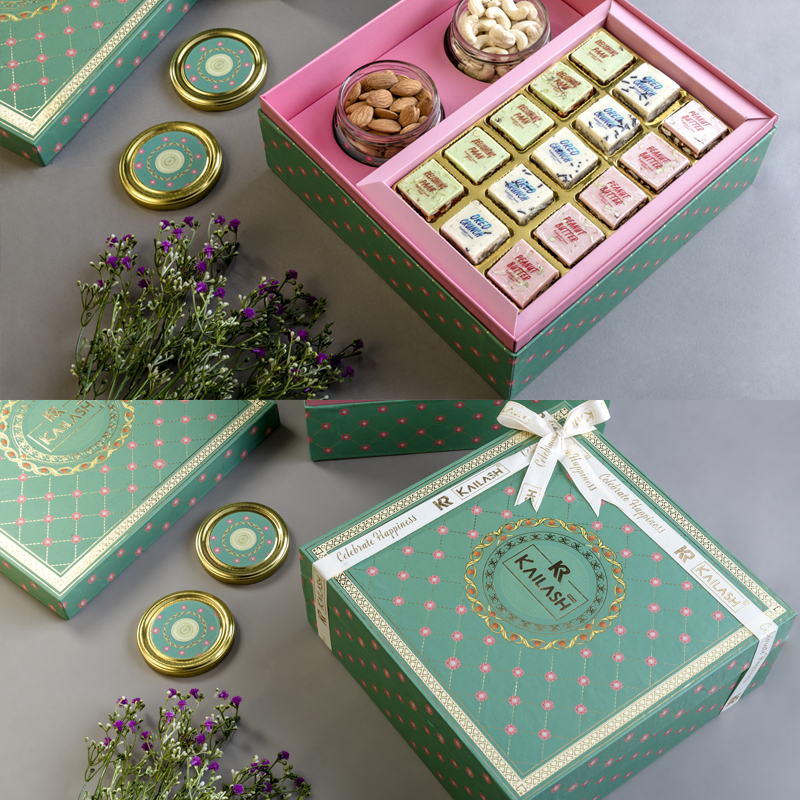
- Layer the chocolate in decorative trays or glass jars. Add a scented sachet or a tiny chocolate‑shaped charm to enhance the sensory journey.
Visual Marketing
- Capture high‑quality images of the finished baskets for social media. Create a short video showing the unboxing to entice potential buyers.
The Perfect Gift Awaits
With thoughtful design, careful material selection, and meticulous production, your limited edition chocolate gift baskets will stand out in a crowded market. The packaging becomes more than a shell; it’s a story, a promise, and a sensory delight rolled into one.
If you’re ready to elevate your chocolate gifting game, start by drafting a design brief that incorporates the points above. Reach out to a packaging specialist, explore sustainable materials, and test prototypes until you hit that sweet spot. Remember, the right packaging not only protects the chocolate—it amplifies its allure, turning every bite into an unforgettable experience.